Ordering a mechanical part online is different from ordering most things. A mistake is not a wrong colour or size; it can mean a heavy component that arrives and does not bolt up, and a return that costs time and money.
Most of those mistakes come from one cause: the buyer and the seller were not talking about the same part. A few minutes of identification before ordering is the cheapest protection there is.
The identifiers worth checking
- VIN: the 17-character vehicle identification number. It ties a vehicle to its build, and many year, engine and drivetrain details are decoded from it.
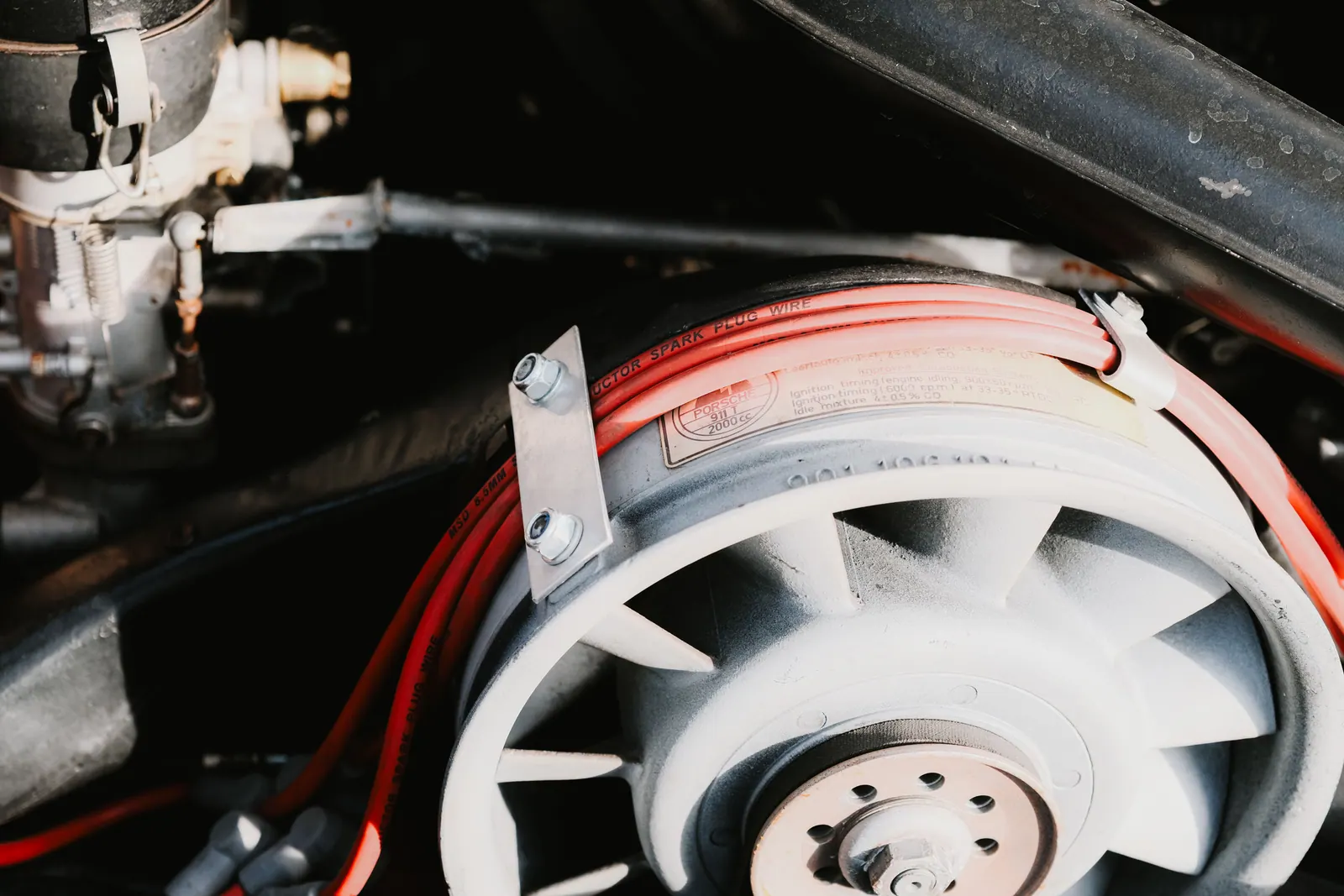
- OEM part number: the manufacturer's number for the part. It is usually the most direct way to confirm that a replacement is the same component.
- Transmission identification: transmissions carry a code or tag, often on the case or a data plate. The same model can come in several internal variants.
- Engine code: a short code, usually stamped on the block or listed on an emissions label, that identifies the exact engine rather than just its size.
- Year, model and engine configuration: model-year changes, trim levels and optional drivetrains can each change which part applies.
- Application details: cab and bed length, axle ratio, two- or four-wheel drive, or the vehicle the engine is being swapped into.
Where wrong-part orders come from
Several situations come up repeatedly with online parts orders:
- Mid-year production changes, where two vehicles of the same model and year use different parts.
- Parts that look the same but differ in mounting pattern, connectors, gearing or internal components.
- A listing that names a vehicle family but not the specific configuration.
- Buying by appearance or by a photograph instead of by number.
- Swap projects, where the part has to suit both the donor and the destination vehicle.
How to check before you order
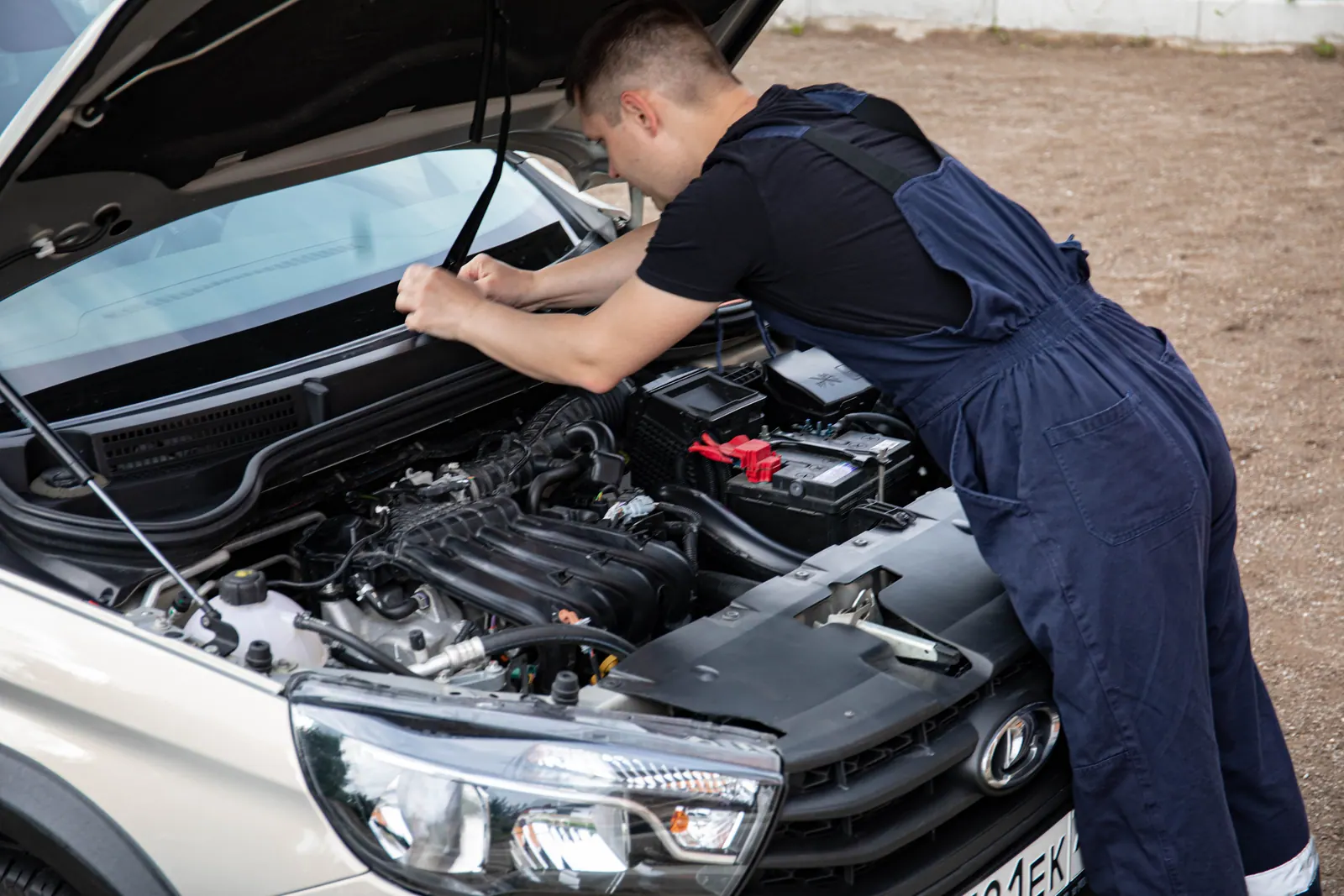
Start from the vehicle: read the VIN from the dashboard plate or the door-jamb label and note the year, model and engine. Then find the identifier on the part you want to replace, such as the part number, the transmission tag or the engine code, and compare it with the listing.
Read the listing for what it actually states: the application, the condition, and what is included. If any of it is unclear, ask before buying rather than after the part arrives.
Asking DrivoraParts
If you are unsure whether a listing suits your vehicle, you can contact DrivoraParts through the contact page with your VIN or the part number and ask for fitment assistance before ordering.
That is help from the team. It is not an automated VIN check, and no process can promise perfect fitment. Verification reduces the risk of a wrong part; it does not remove it, which is why your own confirmation of the details matters.
This is company editorial content published by DrivoraParts. It is general buying guidance, not a fitment guarantee for any specific vehicle or listing.
Questions about a part? Contact DrivoraParts with your VIN or part number before ordering.